24 hr
Full-Day Akagera National Park Wildlife Safari from Kigali
- Expert local guide
- Small group
- Skip-the-line access
- Free cancellation
Akagera Day Trip From Kigali — Reserved Game Drives & Boat Safaris
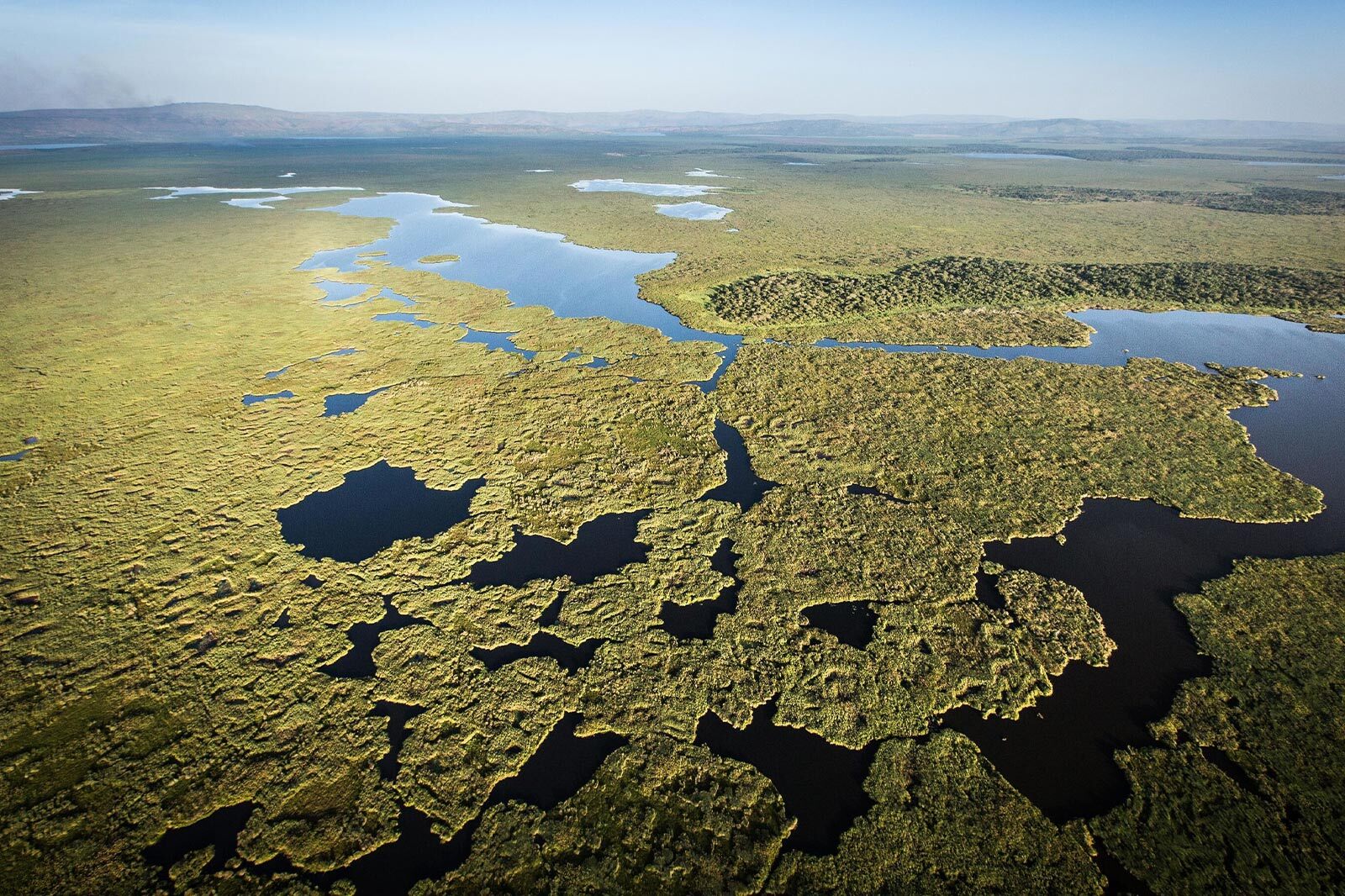
Papyrus swamp at first light, acacia ridgelines by noon.
Compare fares, pick the fit — all bookings are mobile-voucher and eligible for free cancellation where shown.
24 hr
24 hr
24 hr
| Experience | Duration | Rating | Pickup | Skip-the-line | Guide | Small group | Price | |
|---|---|---|---|---|---|---|---|---|
|
Guided Experience
Most popular
Full-Day Akagera National Park Wildlife Safari from Kigali
|
24 hr | ★ 4.8 | ✓ | ✓ | ✓ | ✓ | €346 | Book → |
|
Guided Experience
Full-Day Akagera Safari with Optional Boat Tour
|
24 hr | ★ 4.9 | ✓ | ✓ | ✓ | ✓ | €156 | Book → |
|
Guided Experience
Full-Day Akagera Wildlife Safari
|
24 hr | ★ 5.0 | ✓ | ✓ | ✓ | ✓ | €177 | Book → |
Worth it for Big Five completists on tight schedules
An akagera day trip from kigali costs 100 USD in conservation fee per international adult, plus transport and a guide, and roughly five hours of round-trip driving on the Kigali–Kayonza road. What you get for that is Rwanda's only savannah park: lion and eastern black rhino reintroduced after 2010, elephant and buffalo around Lake Ihema, hippo and crocodile on the papyrus channels, and open acacia plains that look nothing like the Volcanoes highlands. Gates run 06:00–18:00 daily, and the 06:00–10:00 arrival window is where the wildlife density actually pays off. This works if you are chasing Big Five sightings and only have one free day. It does not work if you want long, slow game viewing — the drive eats what a two-night stay gives you. Most akagera day trip from kigali tours build the whole day around that compromise.
Bottom line: Book the Akagera safari from Kigali if one savannah day is all you have — otherwise put that 100 USD toward an overnight stay instead.
Hand-picked experiences loved by thousands of travelers
1 day
Free Cancellation
Experience Rwanda's only Big Five park on an all-inclusive day trip with game drives and wildlife encounters
9 hours
Free Cancellation
Discover Rwanda's premier wildlife sanctuary on a guided safari featuring big game, scenic landscapes, and a lakeside meal.
11 hours
Free Cancellation
Discover Rwanda's savanna wildlife on an 11-hour adventure through Akagera with boat tour included
1 day
Free Cancellation
Full-day exclusive wildlife adventure from Kigali featuring Big Five tracking and sunset champagne
Full day (approximately 14 hours)
Free Cancellation
Full-day wildlife adventure through Rwanda's premier savanna park with optional hippo-spotting cruise
1 day
Free Cancellation
Full-day wildlife adventure in Rwanda's premier savannah park featuring the Big Five and scenic lake cruise
1 day
Free Cancellation
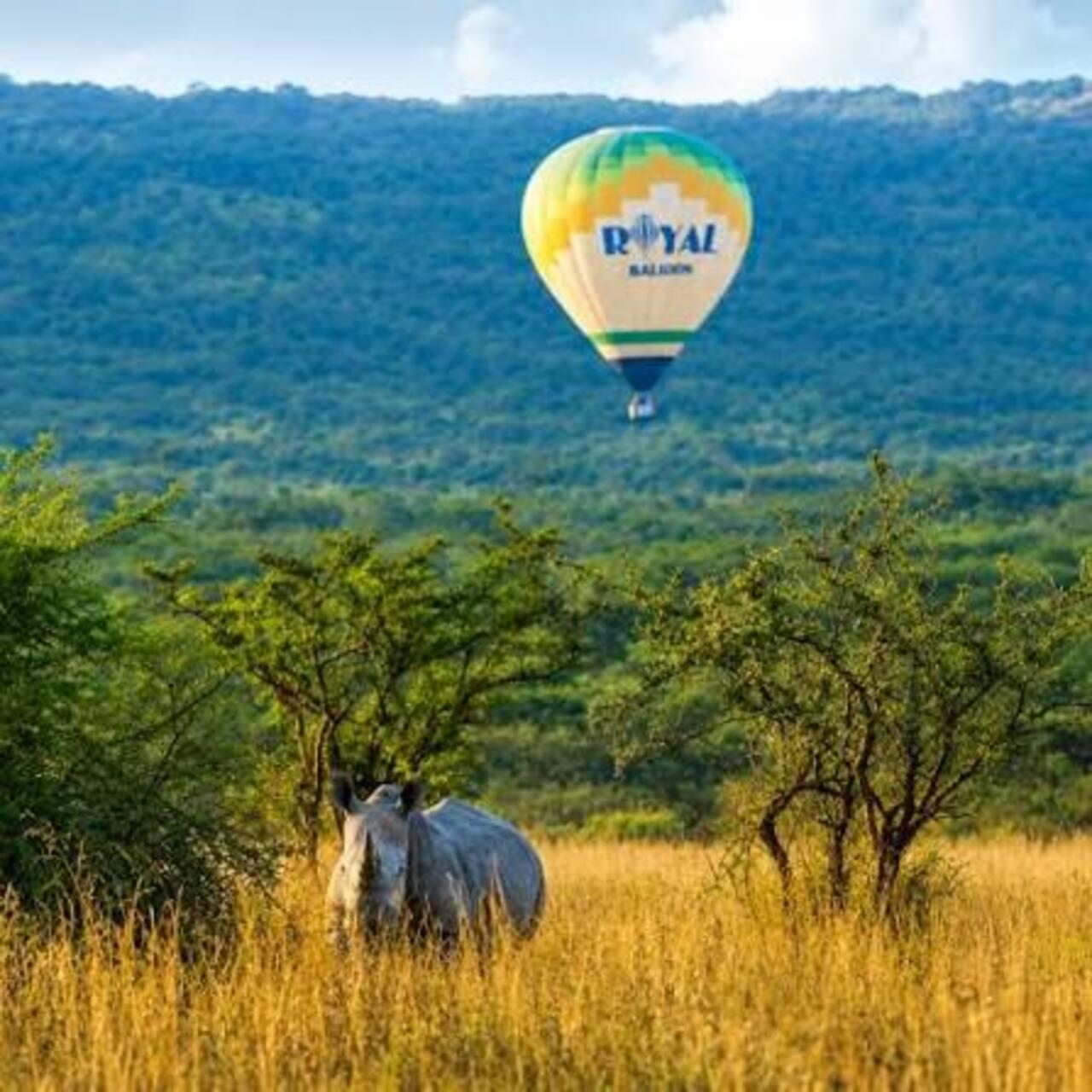
Soar over Rwanda's savannah at dawn, then track elephants, lions and rhinos on a full-day safari adventure
This is the largest lake in the park, famous for its boat cruises that offer views of hippos and crocodiles.
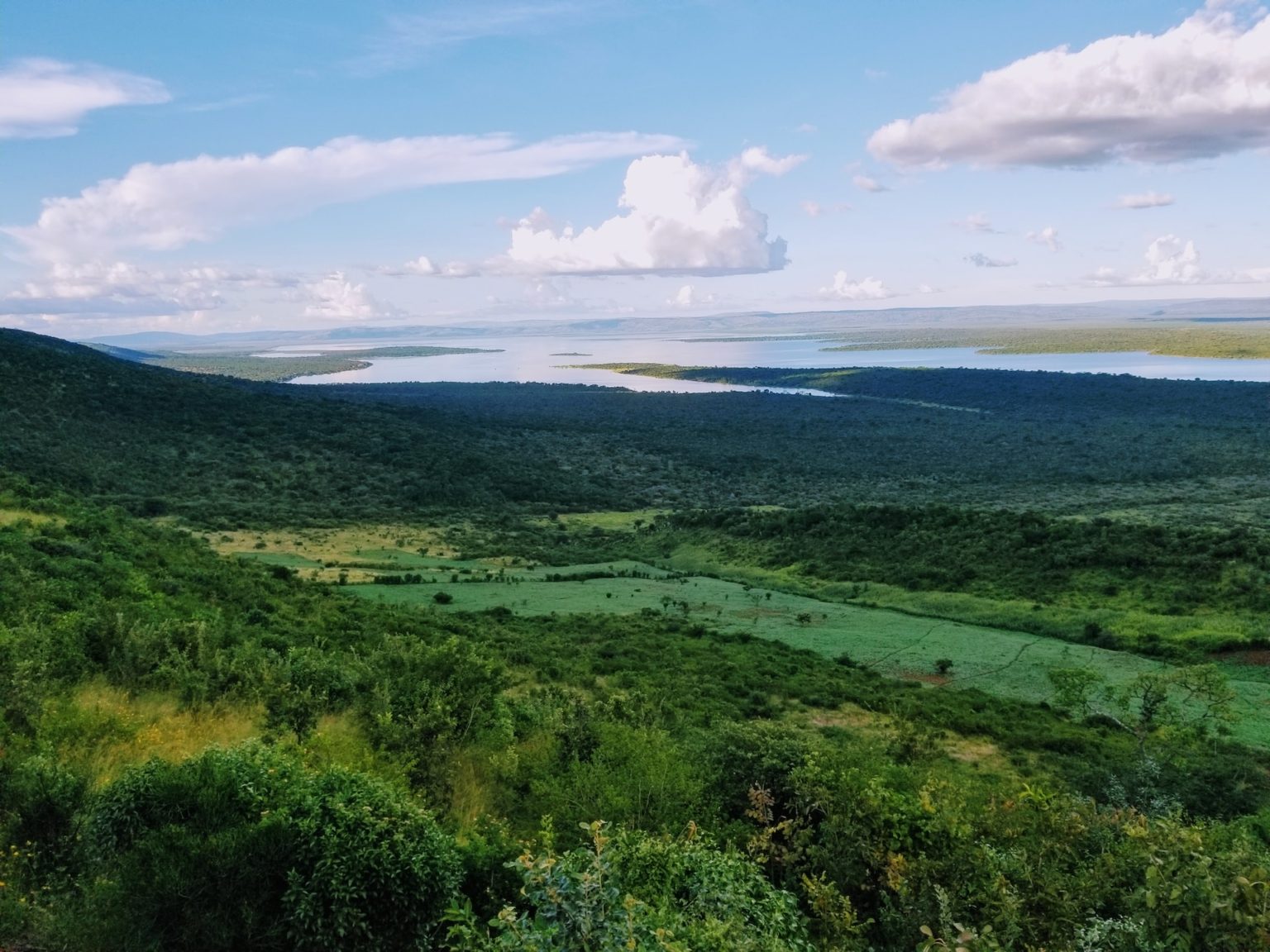
These rolling highlands provide panoramic vistas across the savannah and are a prime location for spotting grazing plains game.
These open grasslands are frequently visited by elephants and buffalo, especially during the dry season.
Known for its active birdlife, this lake is also the primary site for sport fishing activities within the park.
This river forms the natural eastern boundary of the park with Tanzania and supports a diverse range of wetland wildlife.
You leave the capital in the dark and reach the southern gate inside the best arrival window of 06:00–10:00, when early morning offers the best light for photography and higher wildlife activity. The barrier lifts at 06:00.
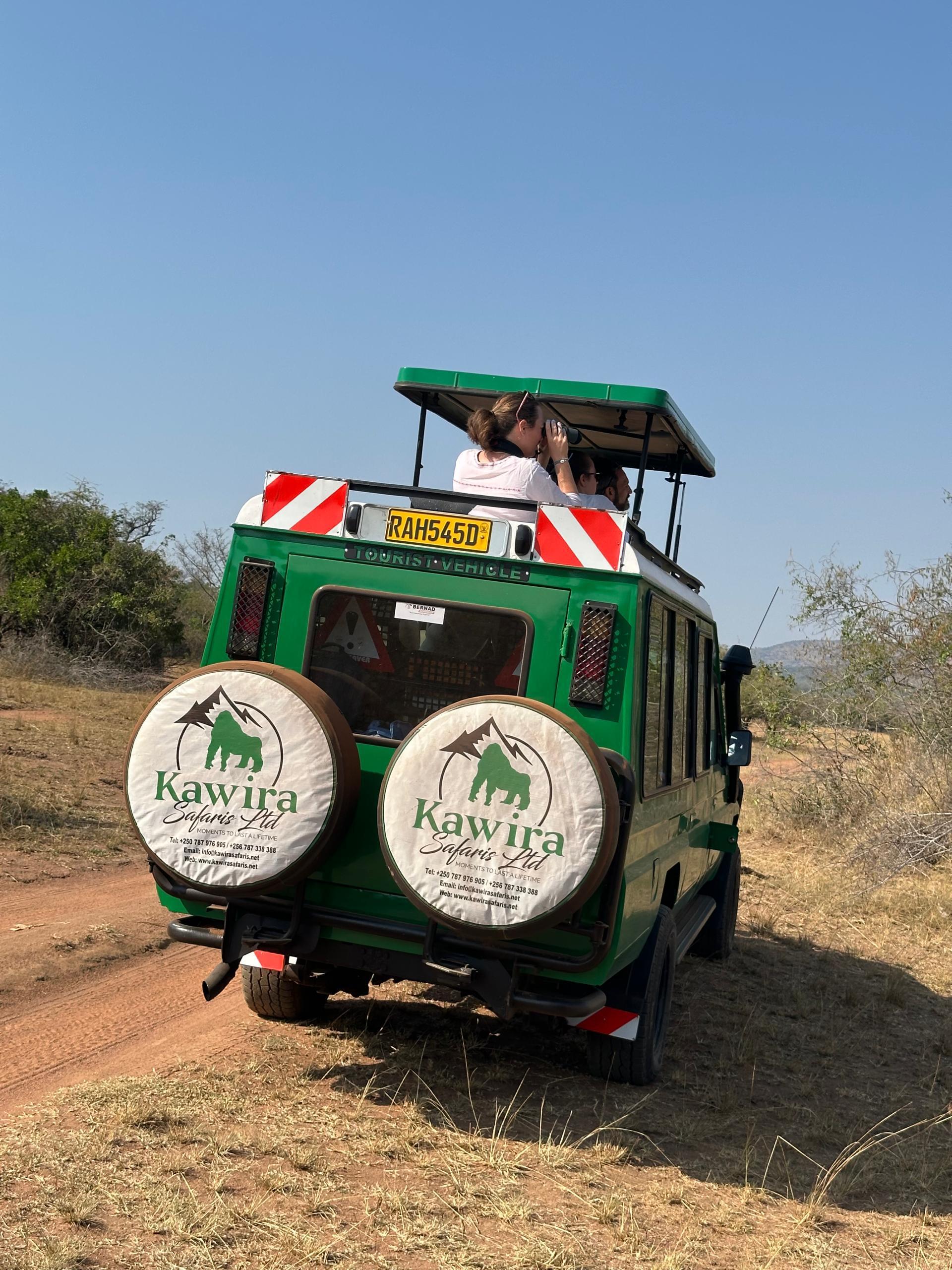
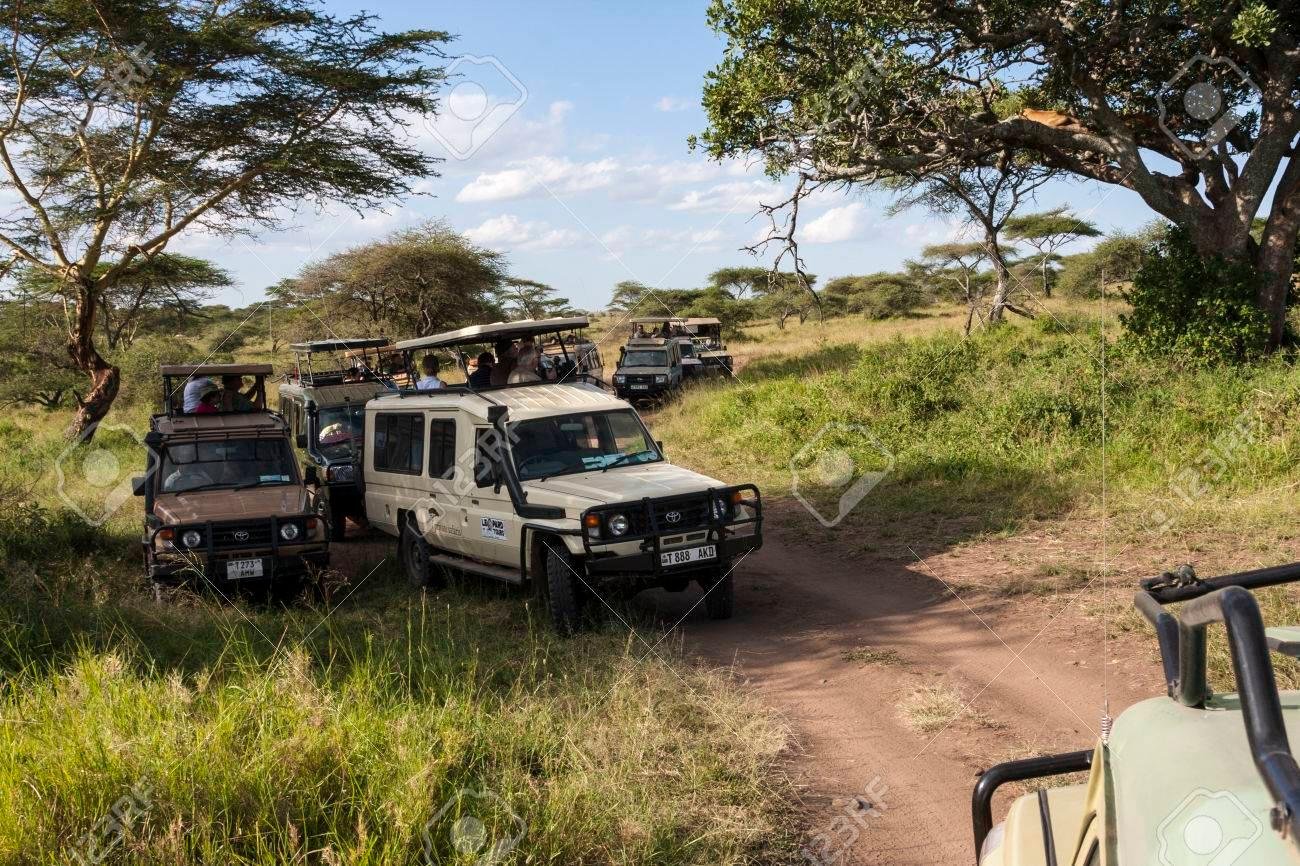
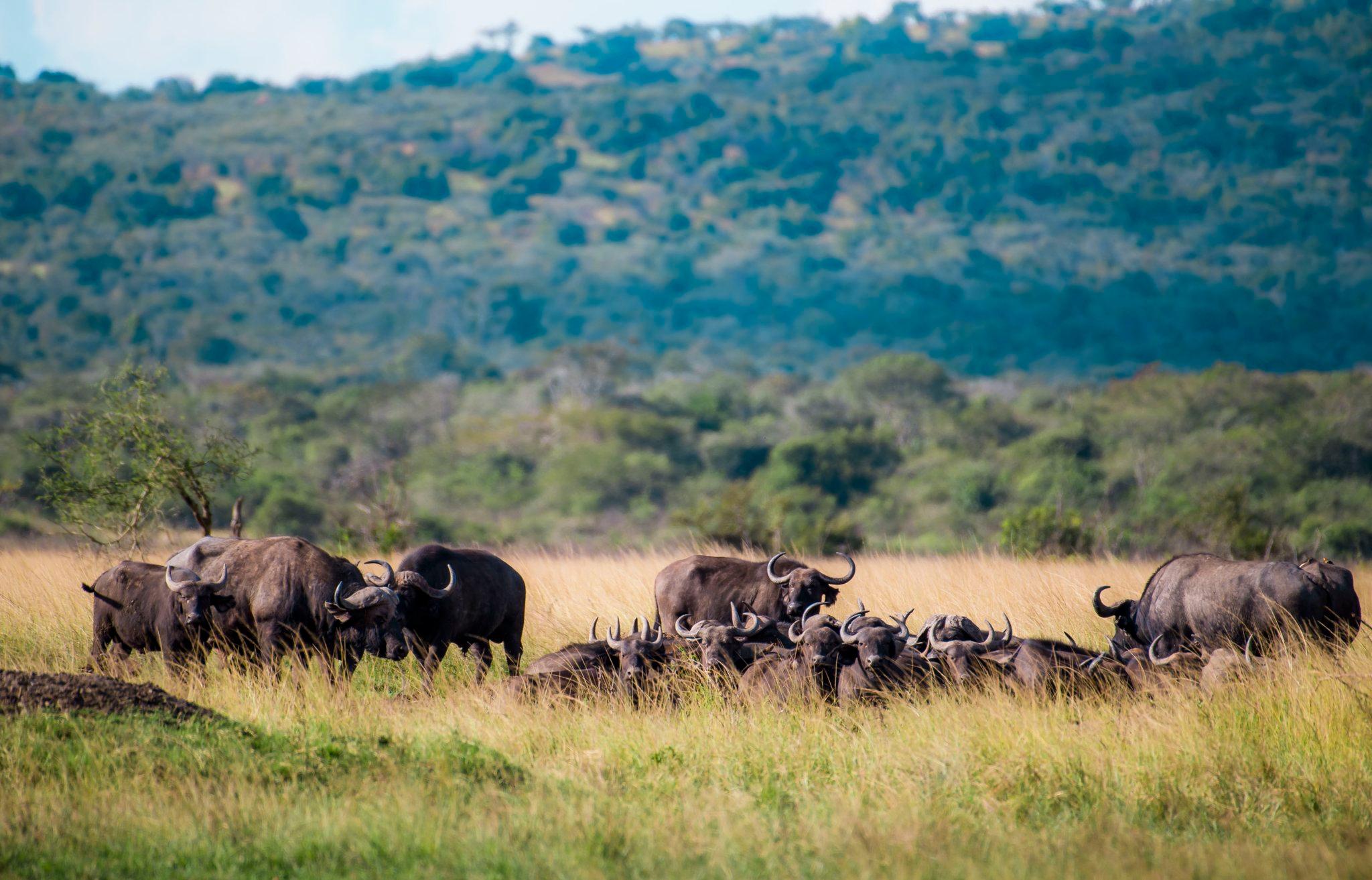
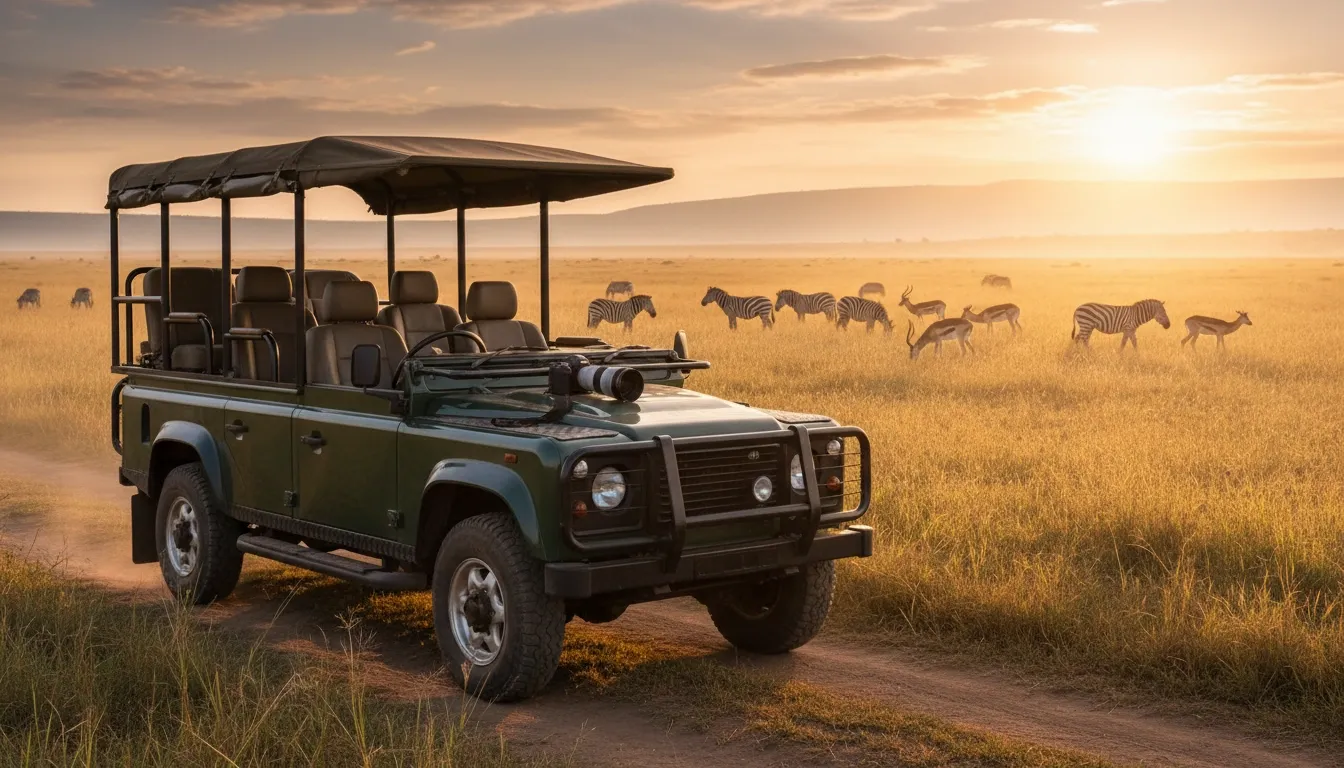
Your guide drops tyre pressure, folds back the roof hatch, and the first kilometre of track puts you level with a herd of buffalo working the marsh edge.
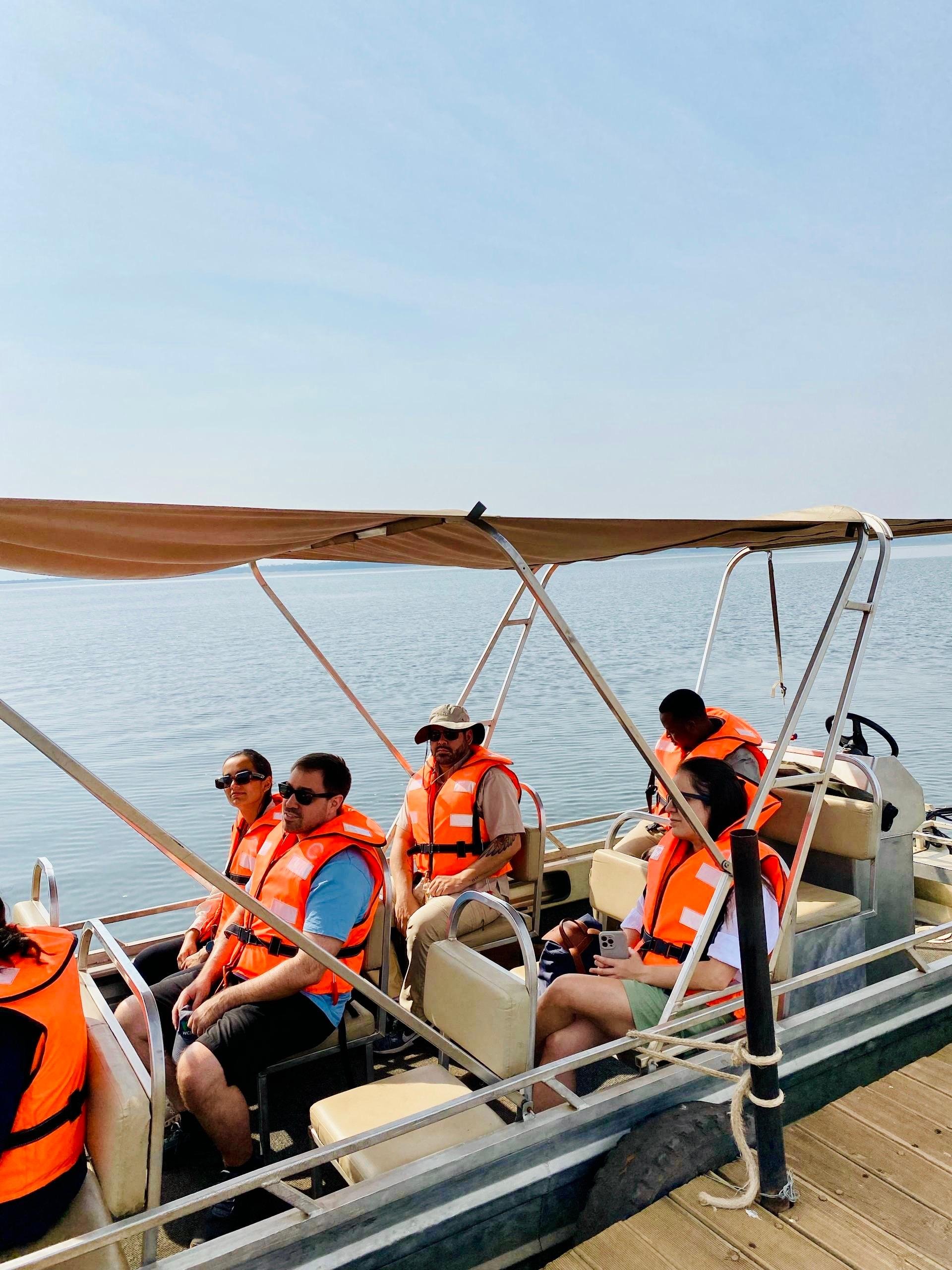
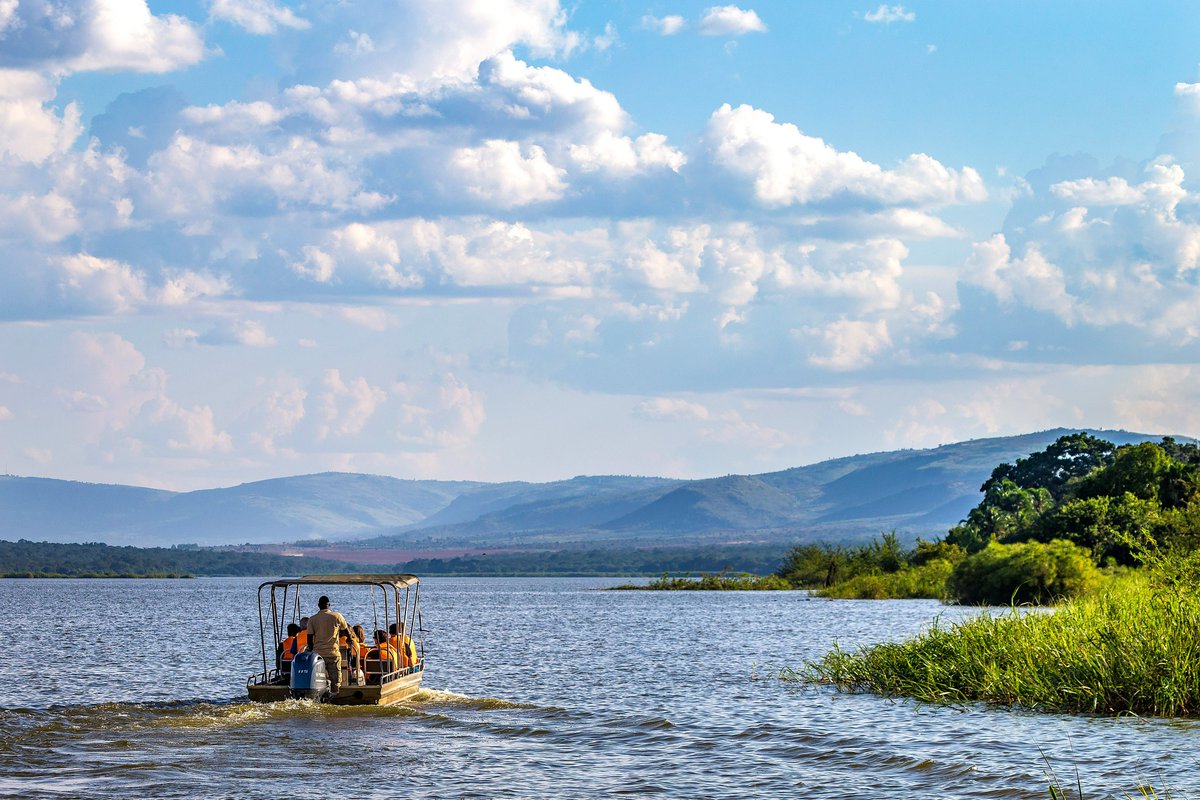
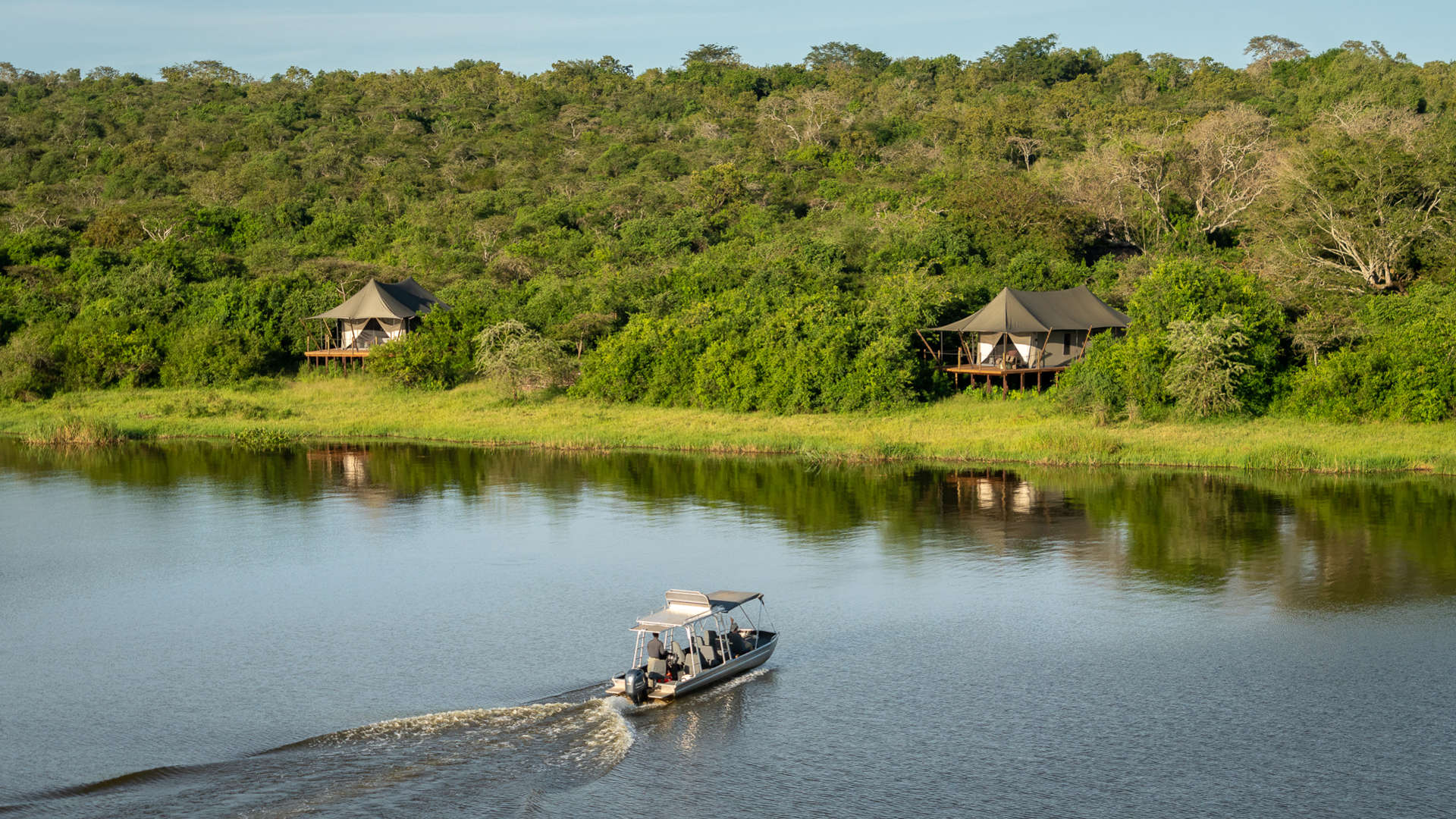
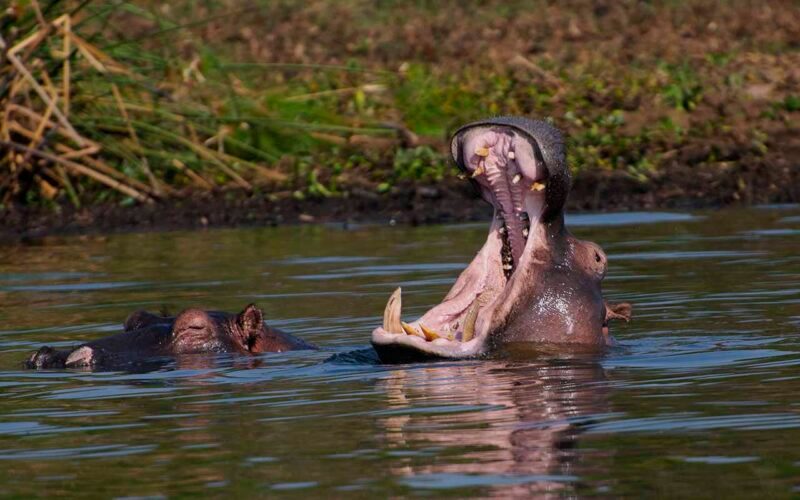
Morning belongs to the low ground. You track east along Lake Ihema, stopping where the papyrus thins — hippos surfacing in slow pods, an African fish eagle calling from a dead limb. By mid-morning you climb toward Mutumba, where the ridge opens over the whole floodplain and the Tanzanian hills stack up behind it. You scan the acacia scrub for lion, then swap the seat for a boat: a one-hour launch on Ihema, close enough to crocodiles to count teeth.
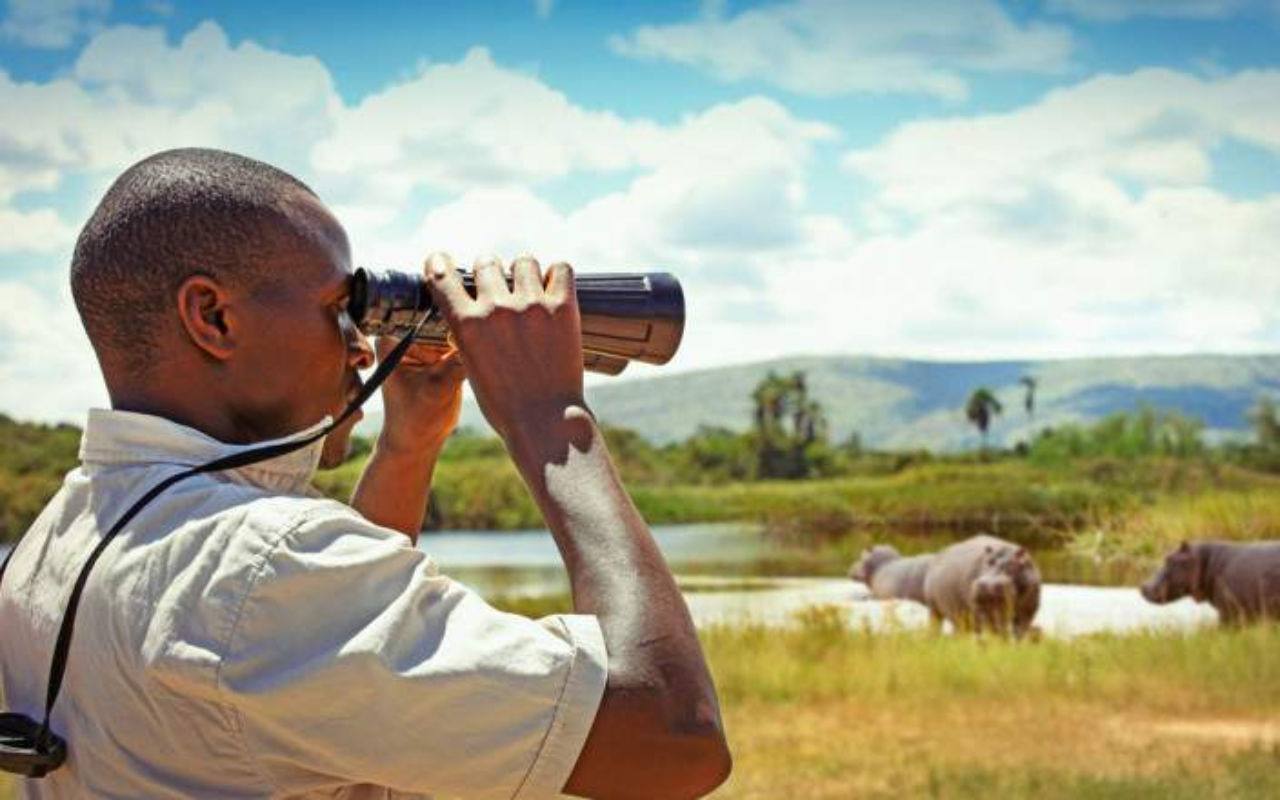
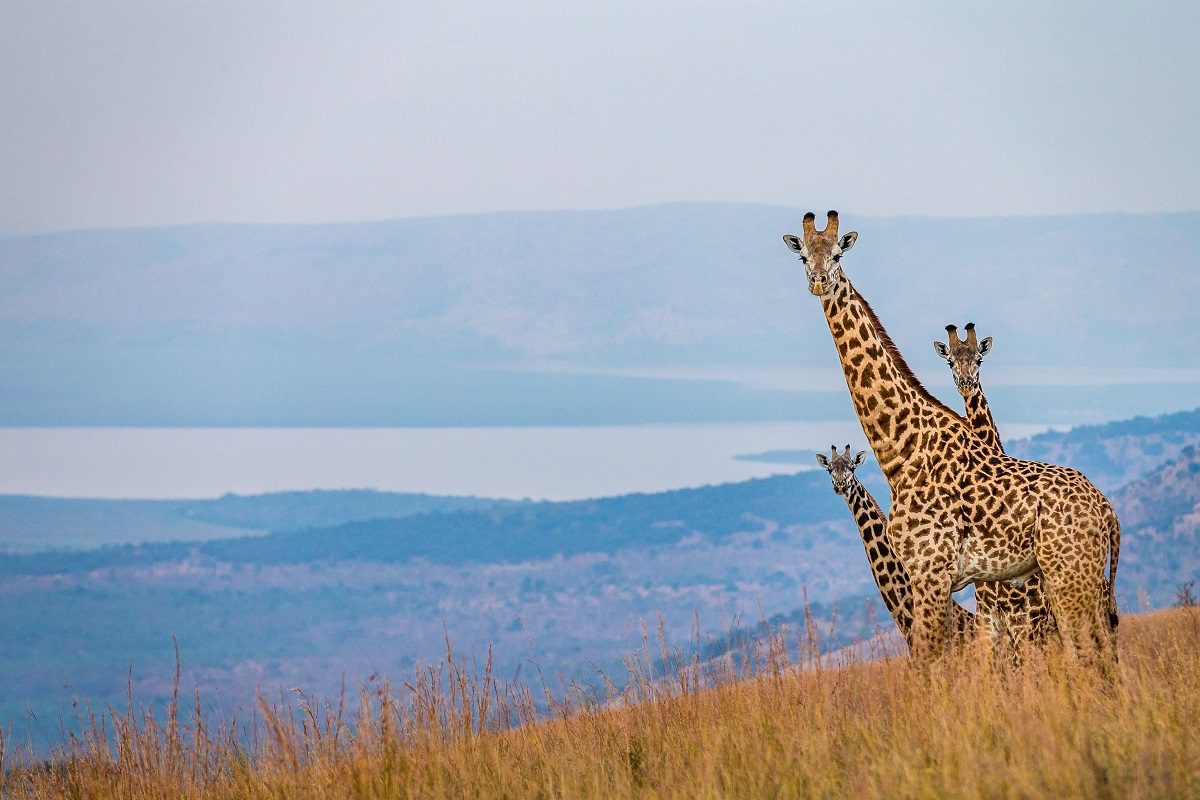
Afternoon runs the northern plains. Giraffe cross the track in single file. You keep binoculars up for shoebill in the reed channels. Anyone anxious about whether Kigali is safe will find the return leg unremarkable in the best way — tarmac the whole distance, tea plantations, roadside markets. You clear the gate before 18:00 and reach the city by evening, which is the quiet logic behind an akagera day trip from kigali.
All the details about your upcoming adventure in one place
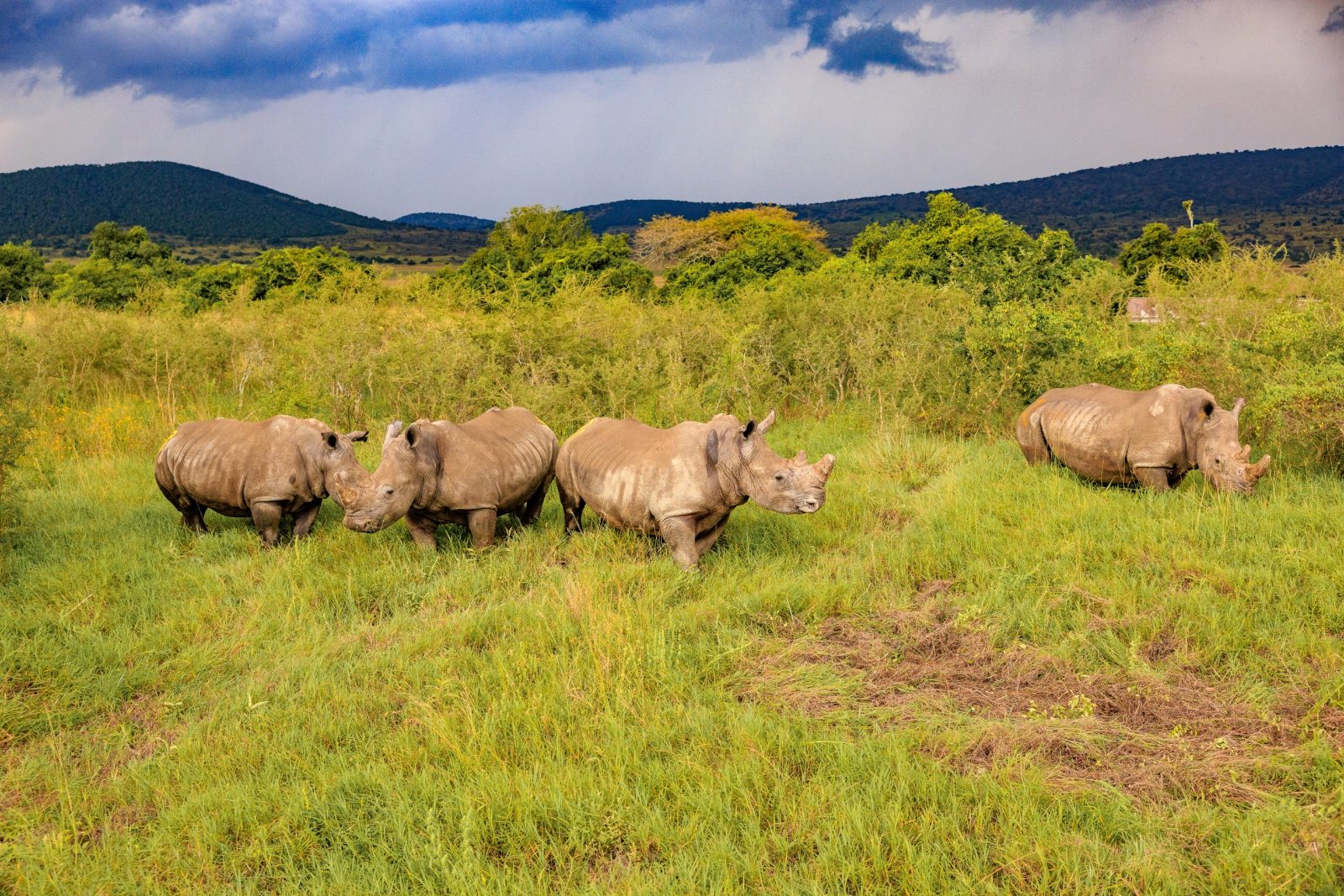
An akagera day trip from kigali covers roughly 110km east to Rwanda's only Big Five reserve, a mosaic of savannah, papyrus swamp and the Lake Ihema shoreline managed by African Parks alongside the Rwanda Development Board. Game drives on the northern plains regularly turn up eastern black rhino, reintroduced lions, zebra, Masai giraffe and enormous buffalo herds, while boat safaris put you beside hippo pods and Nile crocodiles. Most akagera day trip from kigali tours bundle park entry, a 4x4 with pop-up roof and a licensed guide who handles radio contact with ranger teams tracking collared wildlife.
Akagera National Park lost almost every lion and rhino it had, then got them back. The park was gazetted in 1934 and once sprawled across some 2,500 square kilometres of eastern Rwanda; resettlement after 1994 reduced it to roughly a third of that.
Lions were reintroduced in 2015, eastern black rhinos in 2017, and white rhinos in 2021, restoring the full Big Five to a landscape that had been emptied within living memory.
What makes an akagera day trip from kigali unusual is the geography rather than the roster. This is Central Africa's largest protected wetland, not open plain. The Akagera River braids along the Tanzanian border into a chain of lakes — Ihema, Shakani, Birengero, Rwanyakizinga — fringed with papyrus and fig. Western ridges rise into thicketed hills where zebra and topi graze; the eastern floodplain holds hippo pods, crocodiles and the shoebill, the prehistoric-looking stork that draws birders to Rwanda from far beyond it. Around 490 bird species have been recorded within the boundary.
The park sits close enough to the capital that visitors weighing whether Rwanda is worth visiting rarely have to choose between the city and the savannah. Roughly two and a half hours of tarmac connect the two, which is why an akagera national park safari from kigali has become the standard answer to a spare day off in Rwanda, and why a rwanda trip cost sheet usually shows one savannah day beside the gorilla permits rather than instead of them. Travellers researching what airlines fly to Kigali Rwanda will find the same convergence at Kigali International — a hub that feeds this park more visitors each year than any lodge circuit could.
Management passed to African Parks in partnership with the Rwanda Development Board in 2010. A 120-kilometre western predator-proof fence, community ranger recruitment and revenue-sharing agreements turned a poaching corridor into a park that now covers a large share of its own operating costs. The conservation fee of 100 USD (conservation fee, per person, per day for international adult visitors) funds that work directly.
Architecturally the park is deliberately spare: low-slung reception structures at Kiyonza and Mutumba, a research and canine unit, gravel tracks that follow contour rather than grid. Nothing competes with the ridgelines. Those considering whether Kigali is worth visiting and the akagera day trip from kigali tickets that follow it are, in effect, buying into one of Africa's more instructive restoration stories.

Akagera lost almost every lion and rhino it had, then got them back.
Wear neutral-colored, breathable clothing suitable for an African savannah environment. Sturdy, closed-toe walking shoes are recommended for comfort during game drives.
All vehicles are subject to inspection at the entry gate. Keep all necessary identification and booking documents accessible for verification at the park office.
Photography is encouraged throughout the park, but you must remain inside your vehicle at all times. Use of drones for aerial photography requires special prior authorization.
Children under 5 years enter free of charge. Families are reminded that staying inside the vehicle is mandatory for child safety throughout the safari.
The park terrain is rugged and primary routes are unpaved. Visitors with mobility issues should book a professional guided tour for a more comfortable experience.
Picnicking is only permitted in designated areas. Do not feed wildlife under any circumstances and ensure all litter is carried out of the park.
Opening hours
06:00–18:00
Address
Akagera National Park, Eastern Province, Rwanda
Accessibility
Self-drive and guided safari access
Best arrival window
06:00–10:00
Park policy
Cashless payments only
Entry fees are non-refundable for day visitors. The conservation fee of 100 USD per international adult must be paid upon entry.
Recommended time
10-12 hours
Planning an akagera day trip from kigali requires a predawn departure to reach the park entrance by the 06:00 opening. Adhering to the 06:00–10:00 best arrival window maximizes sightings of savanna wildlife like zebras and impala before the mid-day heat. You should anticipate that akagera day trip from kigali tours involve significant transit time, leaving the park gates by 18:00 to ensure a safe return journey. Booking your akagera day trip from kigali tickets in advance facilitates a smoother entry process when managing your game drive schedule.
Crowd levels through the day
Akagera National Park was established in 1934 by the Belgian colonial administration, which then governed Ruanda-Urundi under a League of Nations mandate. The reserve took its name from the Akagera River, the furthest headwater of the Nile, whose floodplain feeds a chain of papyrus swamps and lakes along the Tanzanian border. At its founding the protected area covered roughly 2,500 square kilometres. For decades it ranked among the largest protected wetlands in Africa, and any akagera day trip from kigali today follows tracks first cut for colonial-era patrols. The genocide against the Tutsi in 1994 changed everything. Returning refugees settled inside the boundaries, and in 1997 the government formally reduced the park to about 1,120 square kilometres, ceding more than half its area to farmland and cattle. Poaching removed the remaining lions by the late 1990s; the last eastern black rhinos disappeared around 2007. Elephants and buffalo survived in reduced numbers. Guides on an Akagera National Park safari tour still point out the old boundary line, visible where savanna gives way to banana plots. Recovery began in 2010, when the Rwanda Development Board and African Parks signed a joint management agreement. A 120-kilometre western perimeter fence was completed in 2013, ending most human-wildlife conflict. Seven lions arrived from South Africa in 2015. Eighteen eastern black rhinos followed in 2017, and five critically endangered white rhinos in 2021, restoring the full Big Five. Operators selling akagera day trip from kigali tickets now market a park that funds itself: revenue passed the break-even point in 2019, and annual visitor numbers have climbed steadily since. What survives is not a colonial hunting reserve but a rebuilt ecosystem — one whose story most akagera day trip from kigali tours only sketch in passing, though the fenceline, the reintroduction records, and the returned predators are all still legible on the ground.
Belgian colonial authorities establish Akagera National Park, covering roughly 2,500 square kilometres along the Akagera River.
The park is formally gazetted under Belgian mandate administration, with tourism infrastructure concentrated around the northern lakes.
The genocide against the Tutsi displaces millions; returning refugees and cattle herders settle within park boundaries.
Rwanda officially reduces the park to about 1,120 square kilometres, converting the remainder to resettlement land.
The last resident lions are killed, largely through cattle-herder poisoning, leaving the park without apex predators.
The Rwanda Development Board and African Parks form a joint management partnership to rehabilitate the reserve.
A 120-kilometre solar-powered western boundary fence is completed, sharply reducing poaching and livestock incursion.
Seven lions arrive in 2015, eighteen eastern black rhinos in 2017, and five white rhinos in 2021, completing the Big Five.
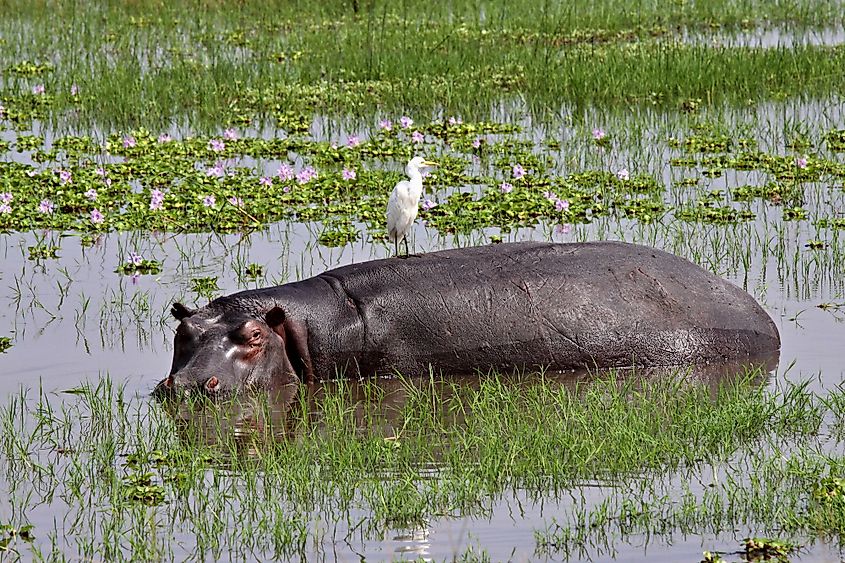
Position yourself along the water edge to capture pods of hippos and basking crocodiles against the papyrus swamp backdrop. You will need a telephoto lens to maintain distance for safety while framing these aquatic animals during your akagera day trip from kigali.
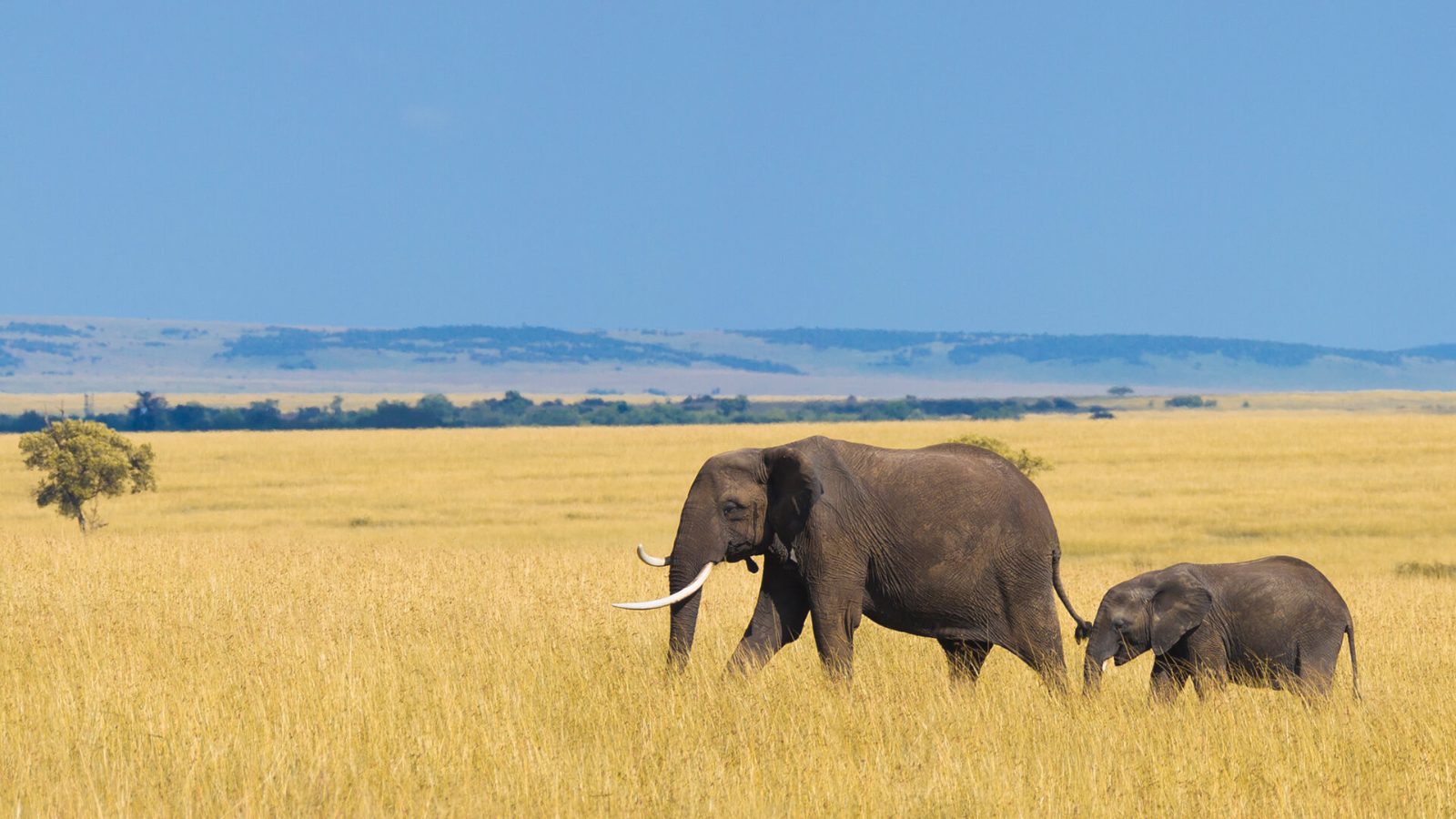
This expansive savanna grassland is the primary location for spotting herds of zebra, buffalo, and roan antelope moving through the open landscape. Use the vehicle roof hatch to get an elevated angle across the wide plains for better composition.
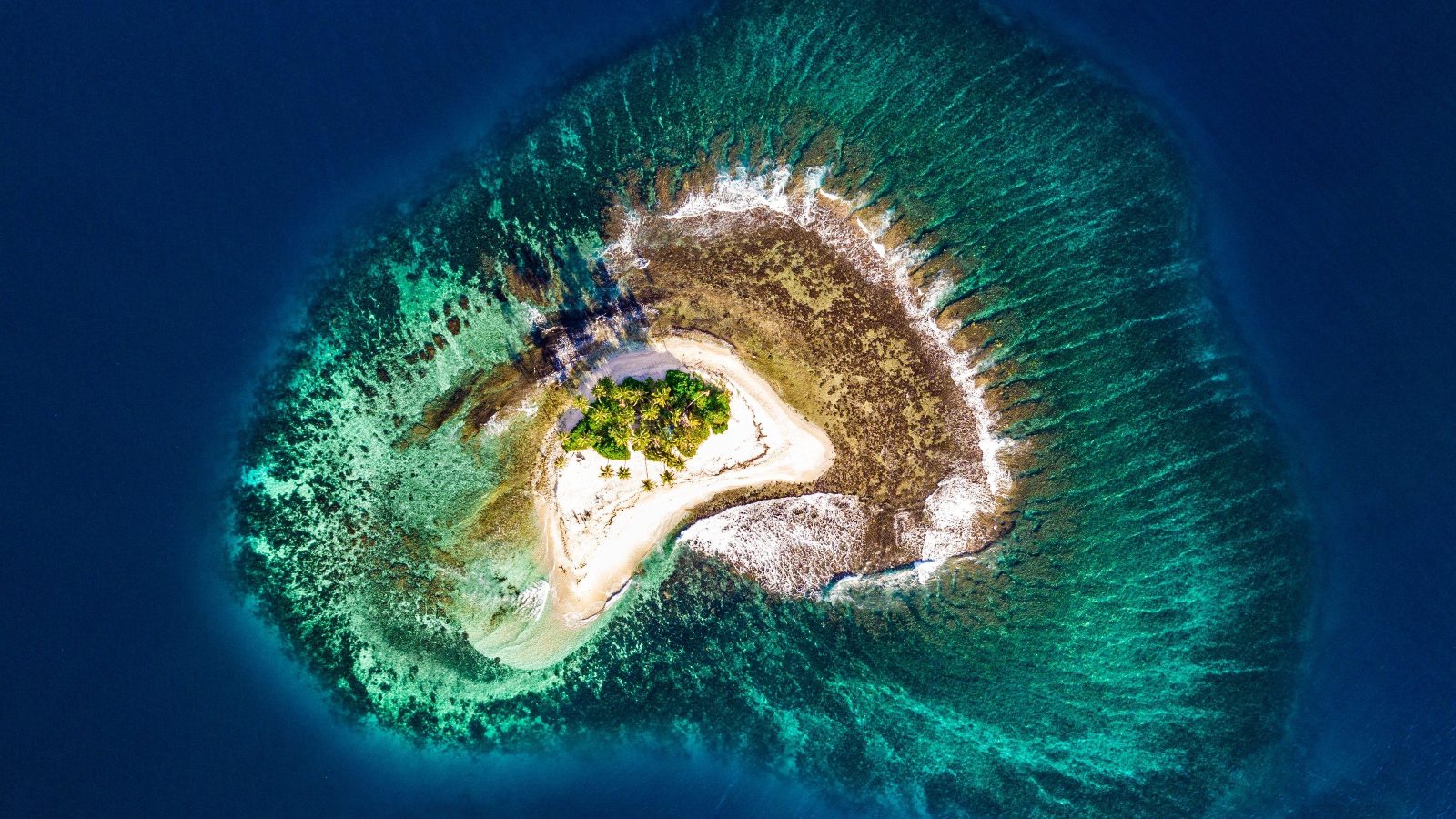
View this island from the designated boat launch areas to frame various waterbird species like the African fish eagle and kingfishers. It serves as a focal point for birdlife photography during akagera day trip from kigali tours.
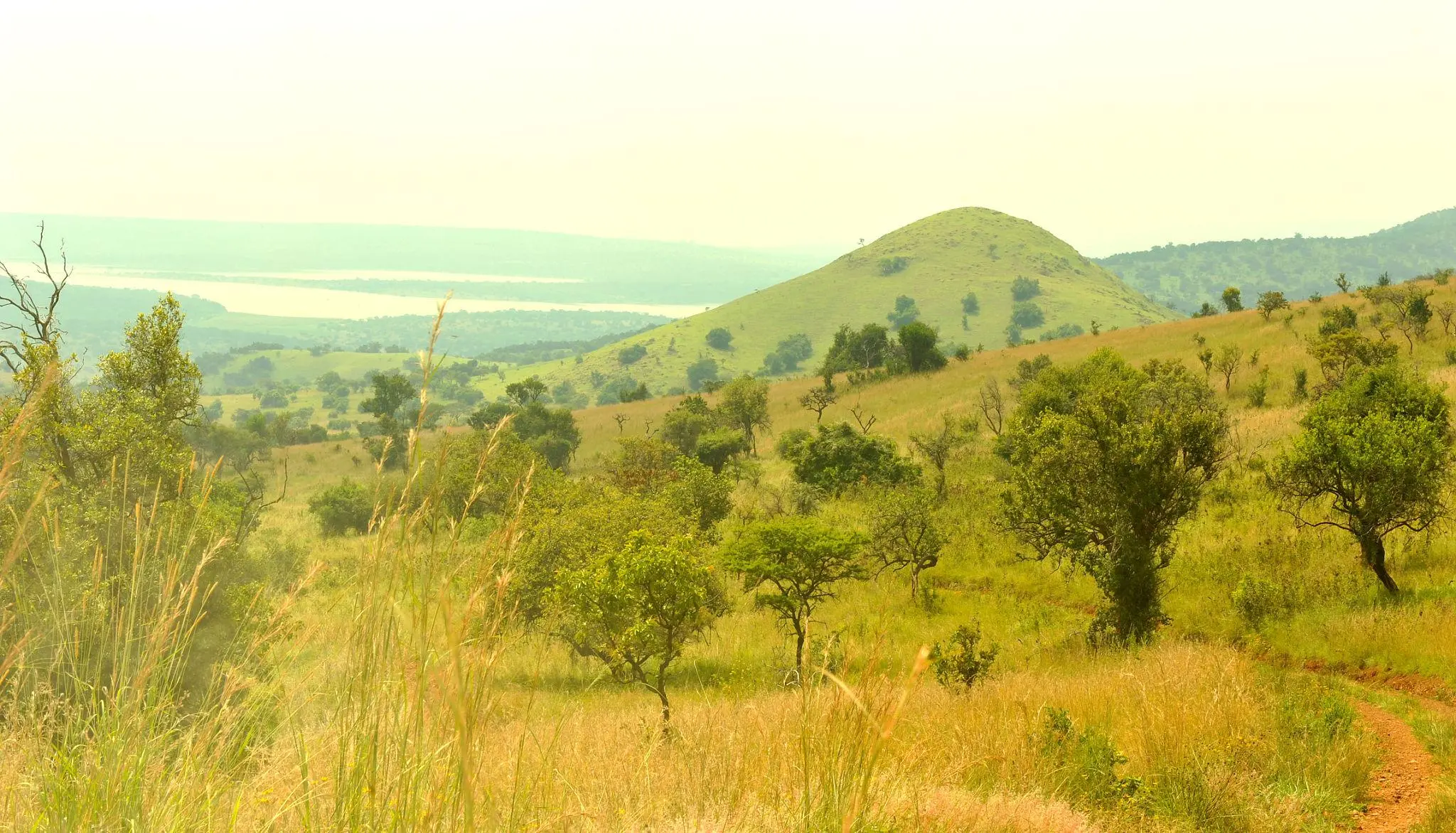
These rolling hills provide a panoramic perspective of the northern park ecosystem where predators are frequently silhouetted against the horizon. Standing from the raised ridges of this terrain offers depth for landscape shots while utilizing akagera day trip from kigali tickets.
Dining options for your akagera day trip from kigali are centered around established lodges that cater to wildlife enthusiasts. These venues provide convenient sit-down meals for those on an akagera day trip from kigali tour who prefer not to pack their own refreshments.
Located near the lake, this venue offers a serene environment for lunch. It is a preferred stop for travelers holding akagera day trip from kigali tickets who want a high-quality meal overlooking the water.
This facility features a spacious dining area and a swimming pool, making it a functional hub for an akagera day trip from kigali. Guests can enjoy varied international and local dishes while observing the savannah landscape.
Real experiences from real travelers
We booked the akagera day trip from kigali after two nights in the city and the drive east opened into acacia savannah that felt nothing like the hills we had left behind. Our guide picked up radio chatter about black rhino out on the Kilala Plains and we sat with two of them for a quiet twenty minutes. Dust heat and the smell of warm grass came straight through the open roof.
The launch on Lake Ihema is the part I keep describing to people back home with hippos surfacing a few metres off the bow and a fish eagle calling over the papyrus. Anyone comparing akagera day trip from kigali tours should confirm the boat is part of the itinerary rather than assuming it. Our guide named every bird by silhouette before I could raise my binoculars.
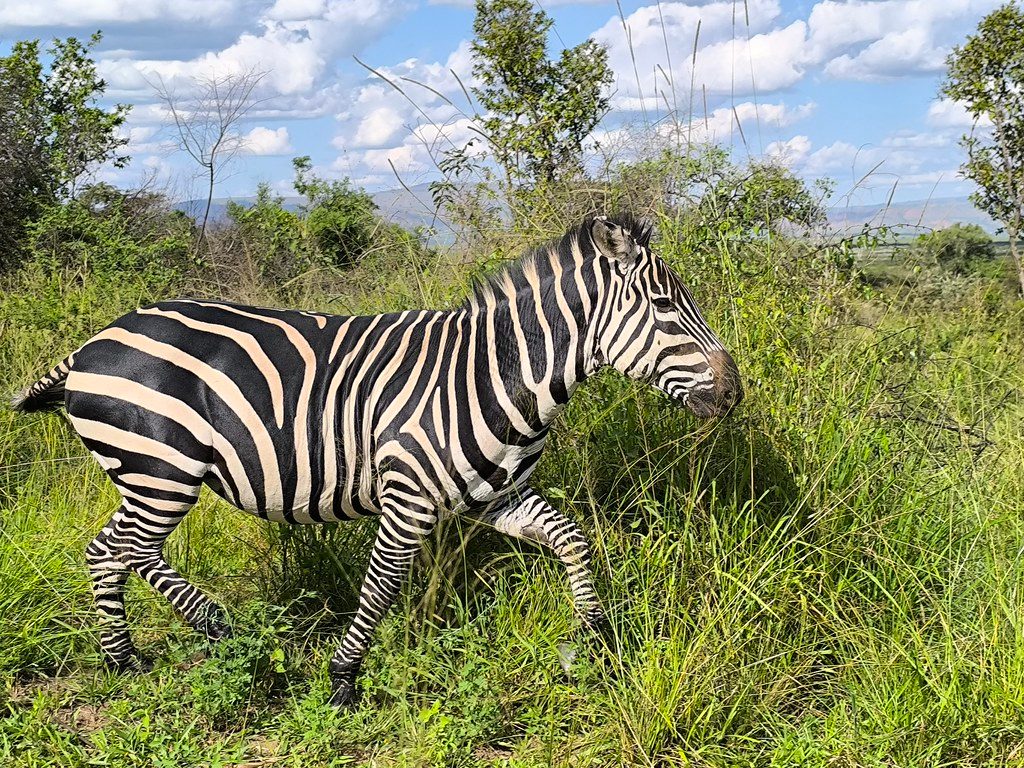
The northern section around the Mutumba Hills gave us a long view over the wetlands with zebra scattered on the slopes below. Heat built fast by mid morning and the dust through the roof hatch was constant on the rougher tracks. Even so the akagera day trip from kigali tour delivered giraffe roan antelope and a distant line of elephants.
Within ten minutes of the Kayonza side entrance a tower of giraffe crossed the track ahead of us in soft flat light. Our akagera day trip from kigali tickets had been arranged by the operator so there was no waiting at the reception building. The ranger explained how African Parks manages the fence line to keep buffalo away from the neighbouring farms.
An akagera day trip from kigali suits anyone who wants proper savannah without boarding another flight. We watched buffalo standing in a shallow pan warthogs trotting in single file and a lone spotted hyena crossing the road. The eastern lakes shimmer in a way that photographs seem to flatten.
Our driver called it Pariki y Igihugu ya Akagera and used the name all the way across the eastern hills. Papyrus swamp gave way to open plain and then to a ridge where we counted eleven mammal species in a single stretch. Late in the afternoon the grass turned a deep copper colour.
The Kigali to Akagera safari tour we chose used a proper 4x4 with a pop up roof which mattered on the rutted tracks near the swamp. A leopard was reported ahead of us but we settled for two hundred buffalo and a shoebill rumour that never materialised. Our guide stayed patient through an endless run of bird questions.
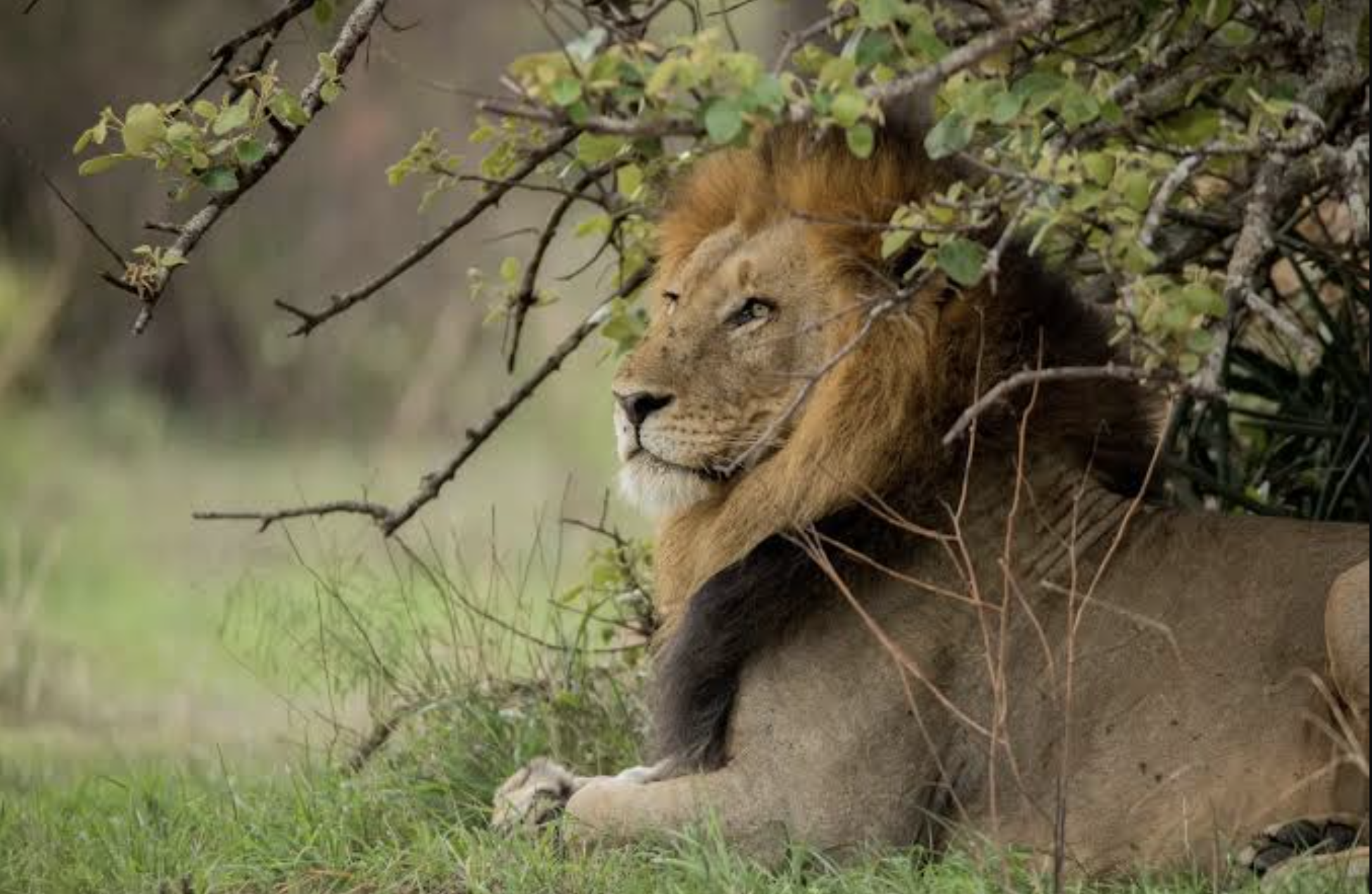
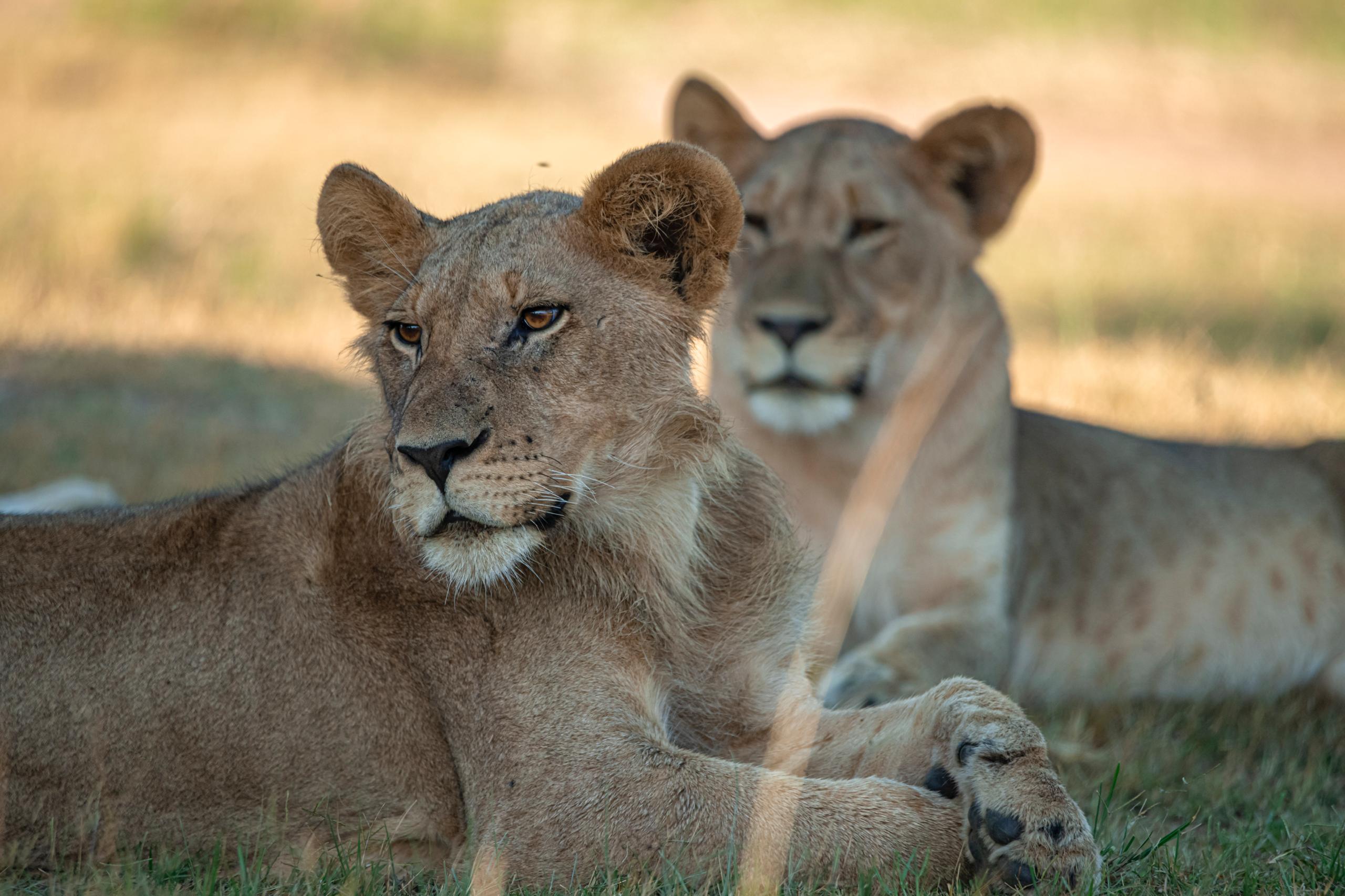
Seeing four of the Big Five between sunrise and dusk in Rwanda still surprises me when I look back at my notes. The road east is smooth until the final stretch turns to corrugated gravel so anyone prone to motion sickness should be ready. Lions lay flat under a fig tree and barely lifted their heads as we rolled past.
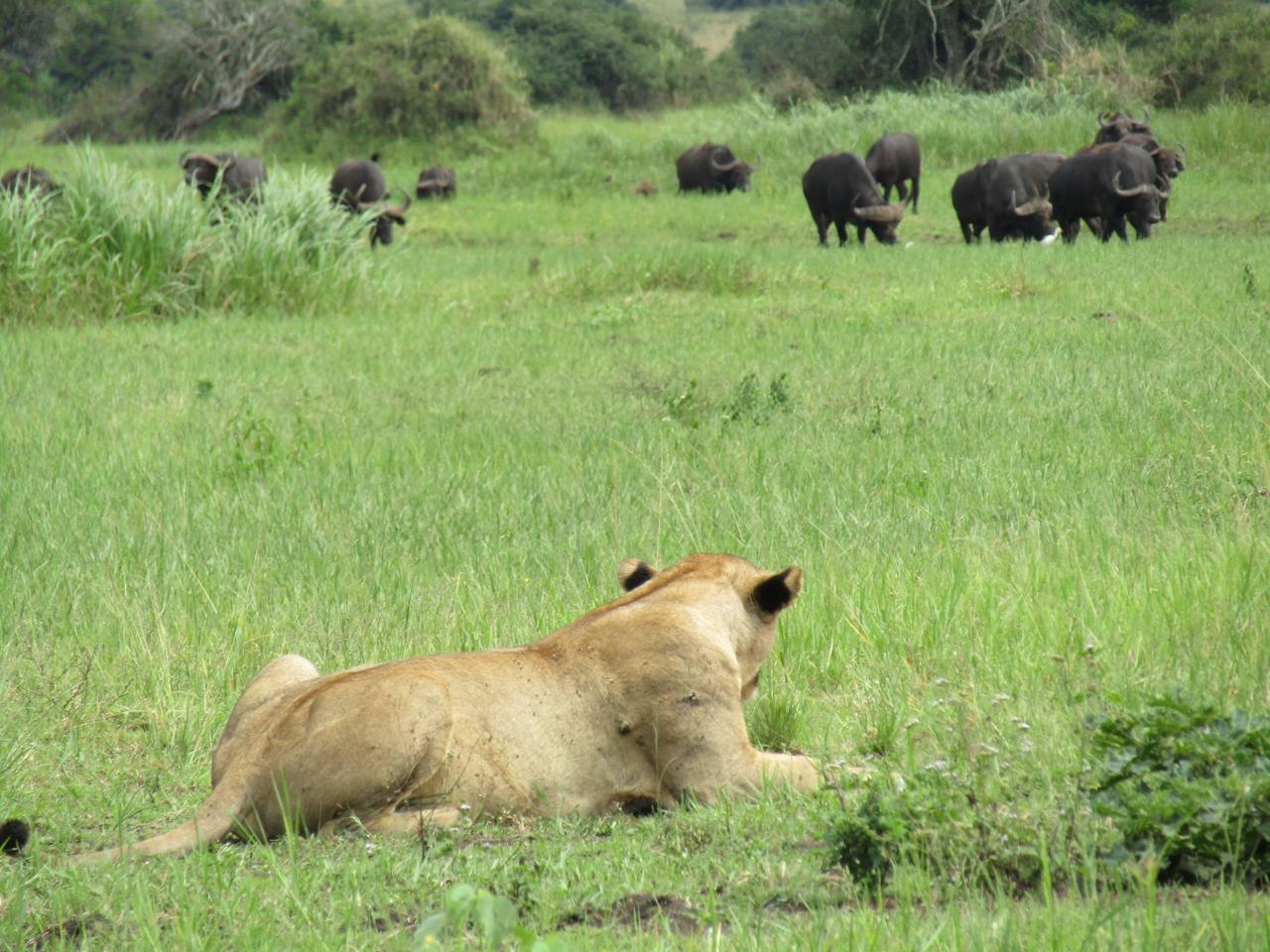
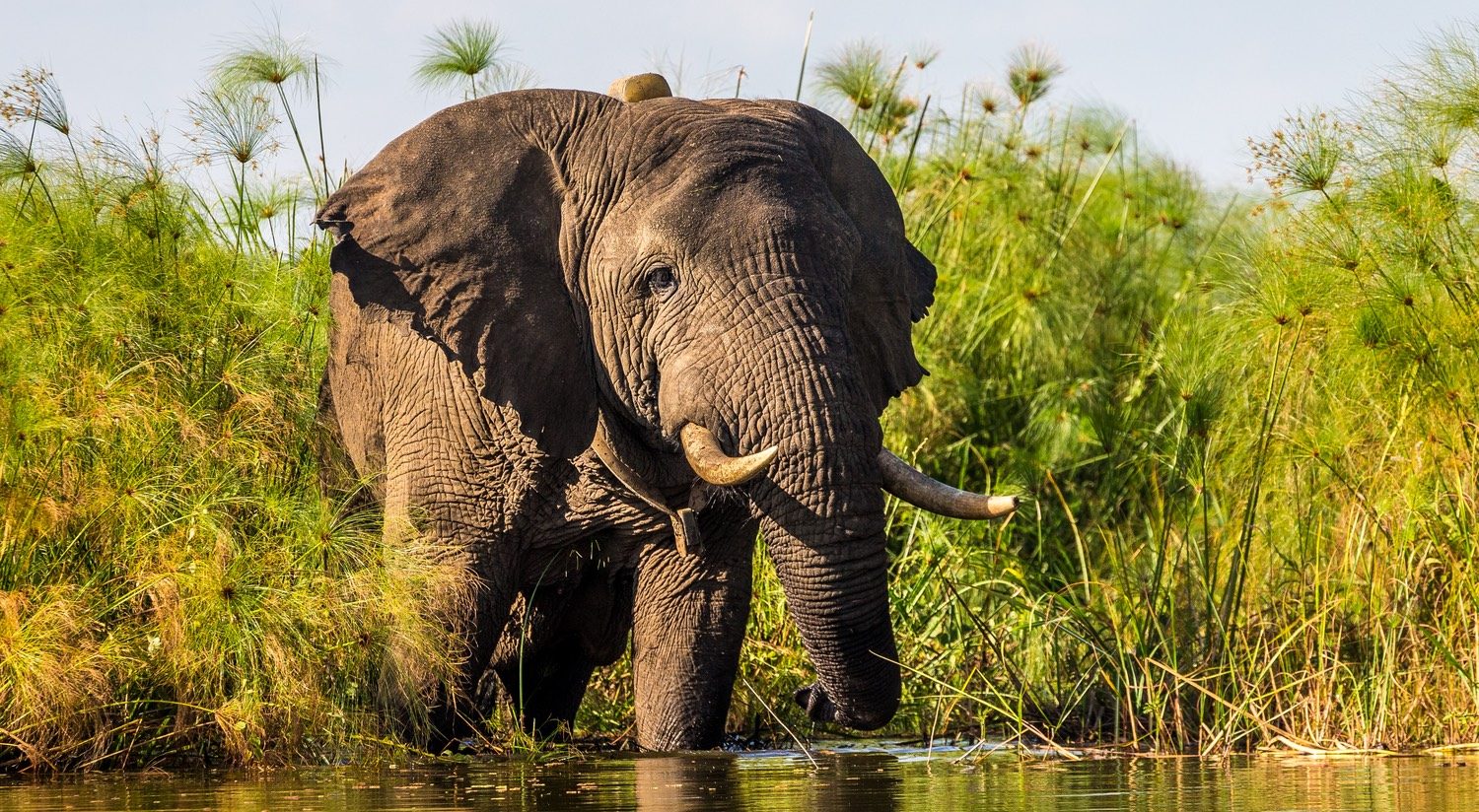
A breeding herd came down to drink while we idled on a rise above one of the smaller lakes and nobody in the vehicle spoke for several minutes. Rwanda safari landmarks are usually about gorillas but this eastern savannah earns its own place. Our driver radioed the other vehicles so each one got a turn without crowding the bank.
The wildlife justified the distance although the drive back after dark felt very long. We missed rhino completely and the grass in the south was tall enough to hide most of what we could hear moving. The lake crossing and the zebra plains still made the day worth doing.
Everything you need to know for your journey
The conservation fee for international adult visitors is 100 USD per person per day.
Akagera National Park is open daily from 06:00–18:00.
For the best photography light and wildlife activity, arrive between 06:00–10:00.
Yes, the park is family-friendly, though children must remain inside the vehicle at all times.
The park is strictly cashless; please use mobile money or cards for your entrance tickets.
Yes, you can hire a professional guide at the park reception to enhance your Akagera National Park experience.
Bring binoculars, sunscreen, a hat, and your valid identification for park registration.
Yes, single-use plastics and firearms are strictly prohibited within Akagera National Park.
Most visitors book a 4x4 vehicle to cover the 110-kilometer distance from Kigali.
Join thousands of happy travelers who have discovered this incredible experience
Book Your Experience Now